Skip to content
Private Akutklinik · Bad Herrenalb Mo–Fr 8:00–16:30 Uhr · Kontaktaufnahme rund um die Uhr

Methods with purpose.

The clinic works across modalities: cognitive-behavioural, psychodynamic/depth-psychological and systemic — complemented by creative and body-oriented therapeutic approaches, tailored to individual need.

13 Methods · Individual and Group Settings

Psychiatric Treatment.

Following appropriate diagnostic assessment, psychiatric treatment encompasses patient education about the presenting condition and available treatment options, psychopharmacological therapy, socio-psychiatric counselling, regular individual physician-led supportive sessions, as well as specialist therapies (art, music, body therapy, relaxation techniques, exercise) and psychoeducationally oriented group therapy.

Individual Psychotherapy.

Individual psychotherapy is provided by the respective primary therapist and comprises two regular 50-minute sessions per week, as well as any additionally required crisis sessions. The clinic works in a cross-modal manner: cognitive-behavioural, psychodynamic/depth-psychological and systemic (see Primary Therapist System and Course of Treatment).

Group Therapy.

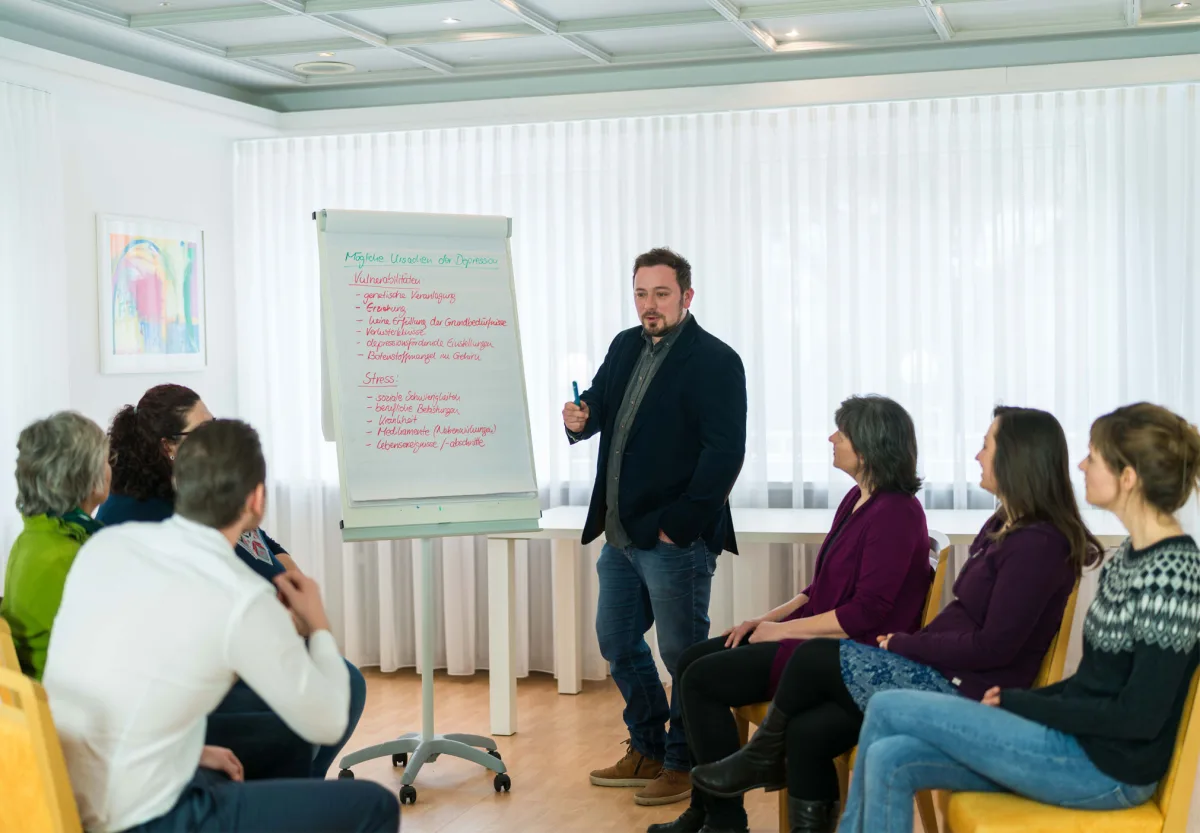
Tailored to the specific indication, Sanima Klinik offers weekly therapy sessions including: a theme-centred, cognitive-behavioural and psychoeducational group psychotherapy session ("Bridge Group"), a weekly 100-minute psychodynamic-interactional, conflict-centred group psychotherapy session, a weekly 100-minute psychodynamic-interactional and systemically oriented "Constellation Group", and a weekly "Pleasure Group". Additionally, psychoeducational presentations on "Psychopharmacotherapy explained simply" and "Healthy eating made easy" are offered.

Art Therapy.

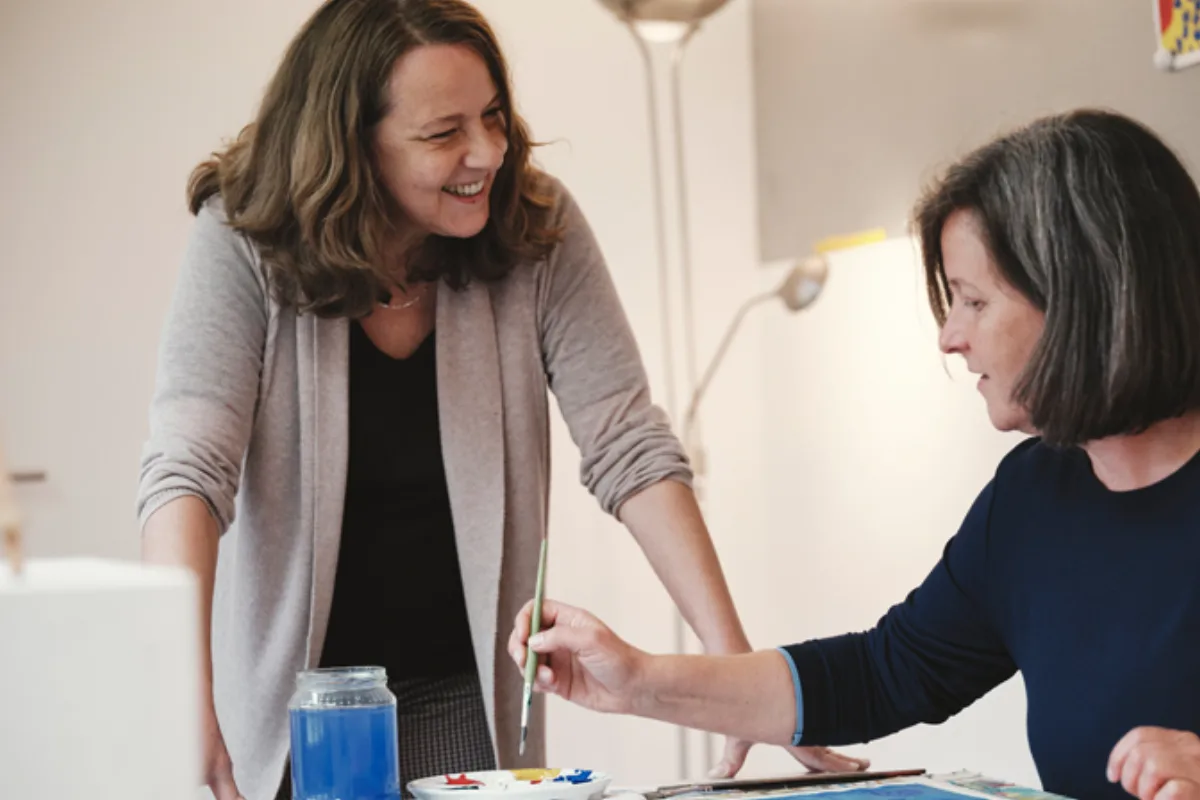
Art therapy provides a non-verbal pathway that supports a person's capacity to open up creatively to their own feelings, inner conflict material or creative resources. When the spoken word encounters blockages during the therapeutic process, art therapy reopens access to inner, revelatory or resource-activating experience.

At Sanima Klinik, art therapy takes place in both individual and group settings. A variety of materials are used, including liquid and solid paints, clay or soapstone, as well as work at the clay field. The creative process gives rise to a range of effects, relating to individual self-exploration, creative expression, inner engagement with areas of conflict, or simply the sensory, mindful contact with the material itself.

A key element in art therapy at our clinic is resource activation: supporting the development of what lies as inner potential within a person but has, for various reasons, remained dormant. In this way, art therapy also enables an inner journey of discovery.
Music Therapy.

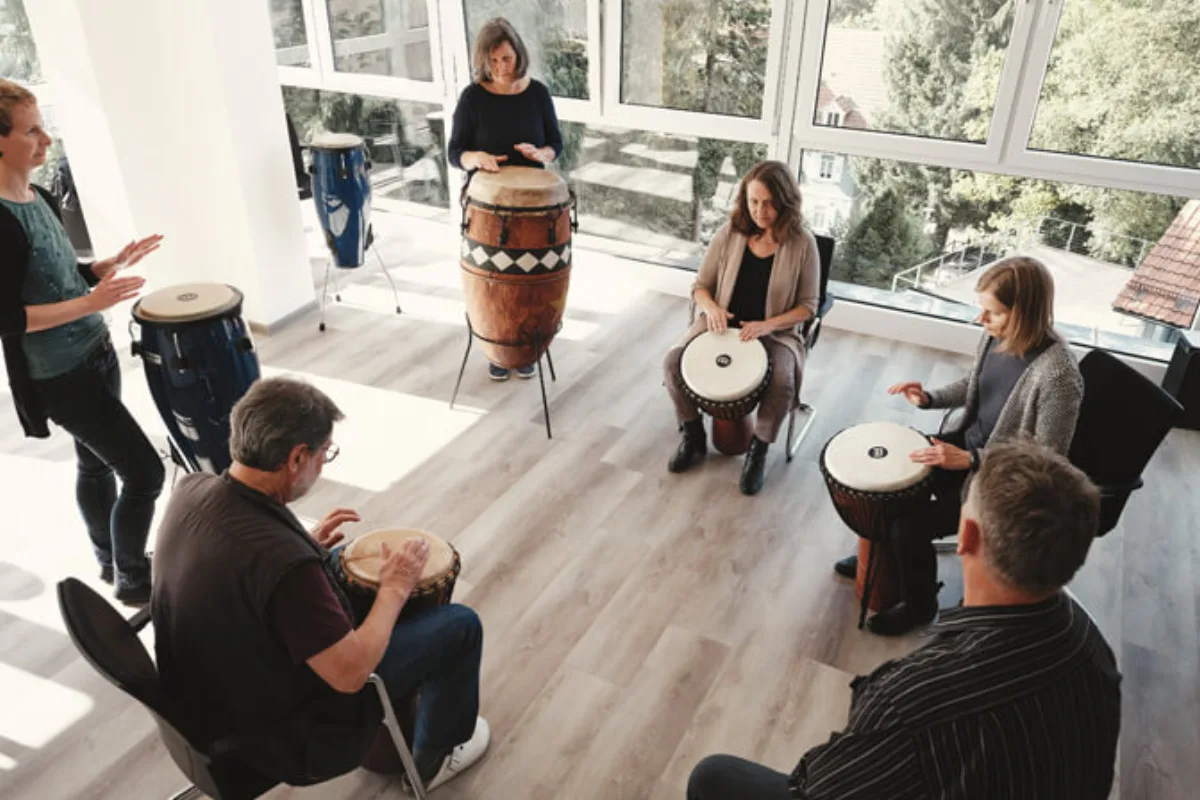
Music therapy is an experiential or action-oriented form of therapy that uses music as a therapeutic medium or as a means of communication and expression. At our clinic, music therapy takes place in a specially designed and appropriately equipped therapy room and is offered in a group setting as active music therapy.

In active music therapy, the opportunity to play a musical instrument or to use one's own voice or singing opens up the possibility of giving the inner world forms of expression beyond, for example, the spoken word. Through this form of improvisation, both intrapsychic and interpersonal processes can be represented and brought to awareness. No special musical ability is required. Active music therapy can release tension, foster interpersonal sensitivity, improve concentration, and thus also serves to maintain and promote psychological and mental wellbeing.

Dance Therapy.

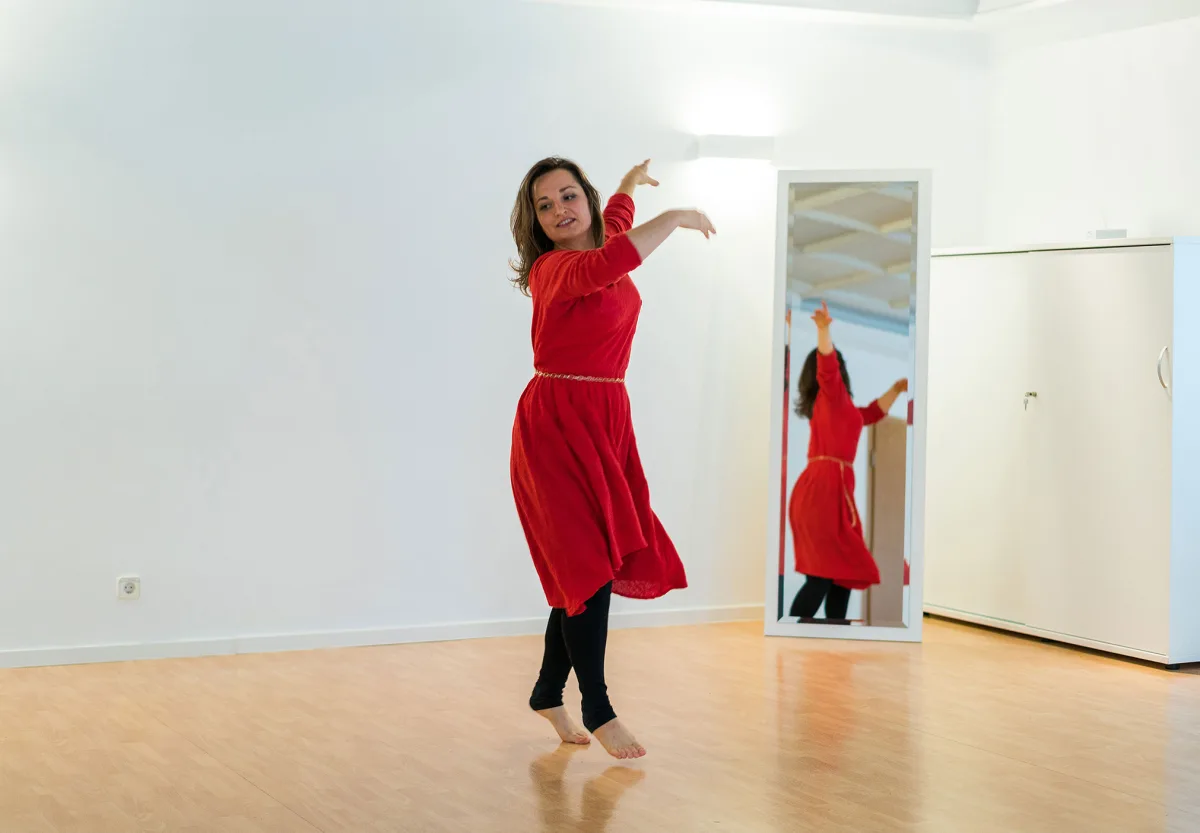
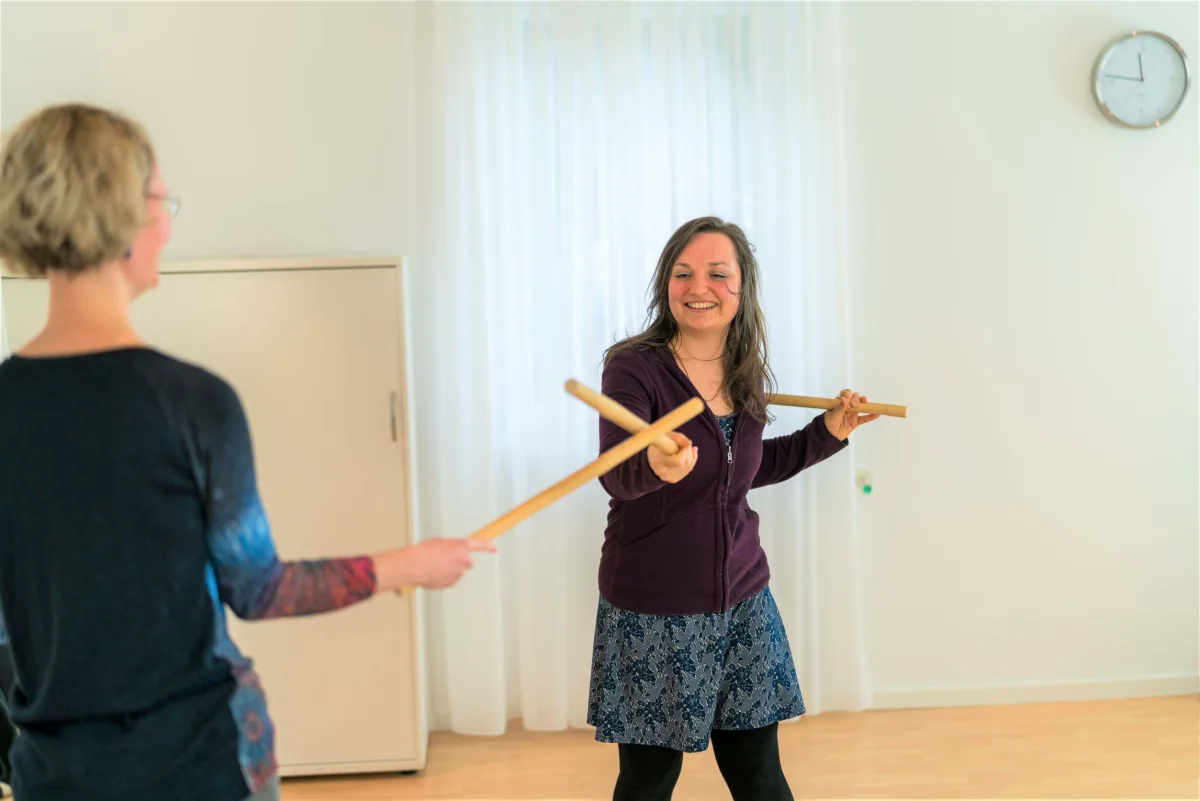
Dance therapy is a psychotherapeutic form of treatment within the field of creative therapies. Free dancing and movement to music supports individuals in their personal expression and in understanding and processing feelings and relationships. Depending on the therapeutic goal, dance and movement therapy can stabilise, activate resources or have an uncovering effect. Dance therapy improves body awareness and self-perception, supports the development of authentic expression, and promotes the integration of unconscious, biographical content stored in body memory that has not yet been accessible to conscious awareness or verbalisation.

Ultimately, dance therapy serves to make the unity of psyche and body tangible and to experience joy and aliveness.

Body Therapy.

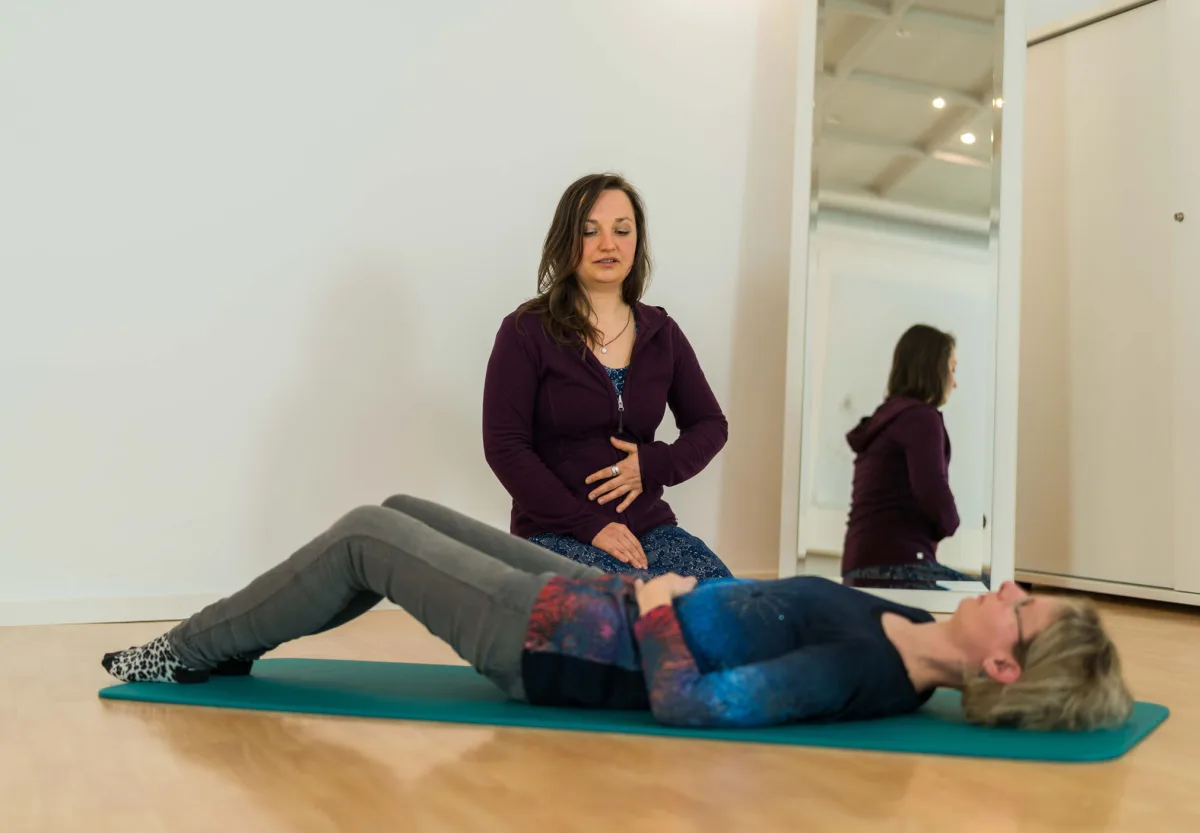
Body (psycho)therapy is a body-oriented treatment method that contributes to restoring physical and psychological wellbeing. In body therapy, as in dance therapy, the focus lies on the experienced interplay between body and psyche. Body awareness exercises, breathing exercises, psycho-physiological stress management techniques and many other techniques and exercises are used in body therapy at our clinic on an individual basis, tailored to the specific indication and primarily structure-related and resource-oriented.

Mindfulness Training.

Mindfulness-based interventions teach a person to experience themselves and the world in a vivid and immediate, yet consistently non-judgmental way, while engaging consciously with their own thoughts, feelings and bodily sensations. Mindfulness-based cognitive therapy (MBCT) is used primarily for depression and anxiety disorders; mindfulness-based stress reduction (MBSR) focuses on cultivating inner equanimity and is used in the treatment of exhaustion states, burnout and as a preventive measure against stress responses.

Biofeedback.

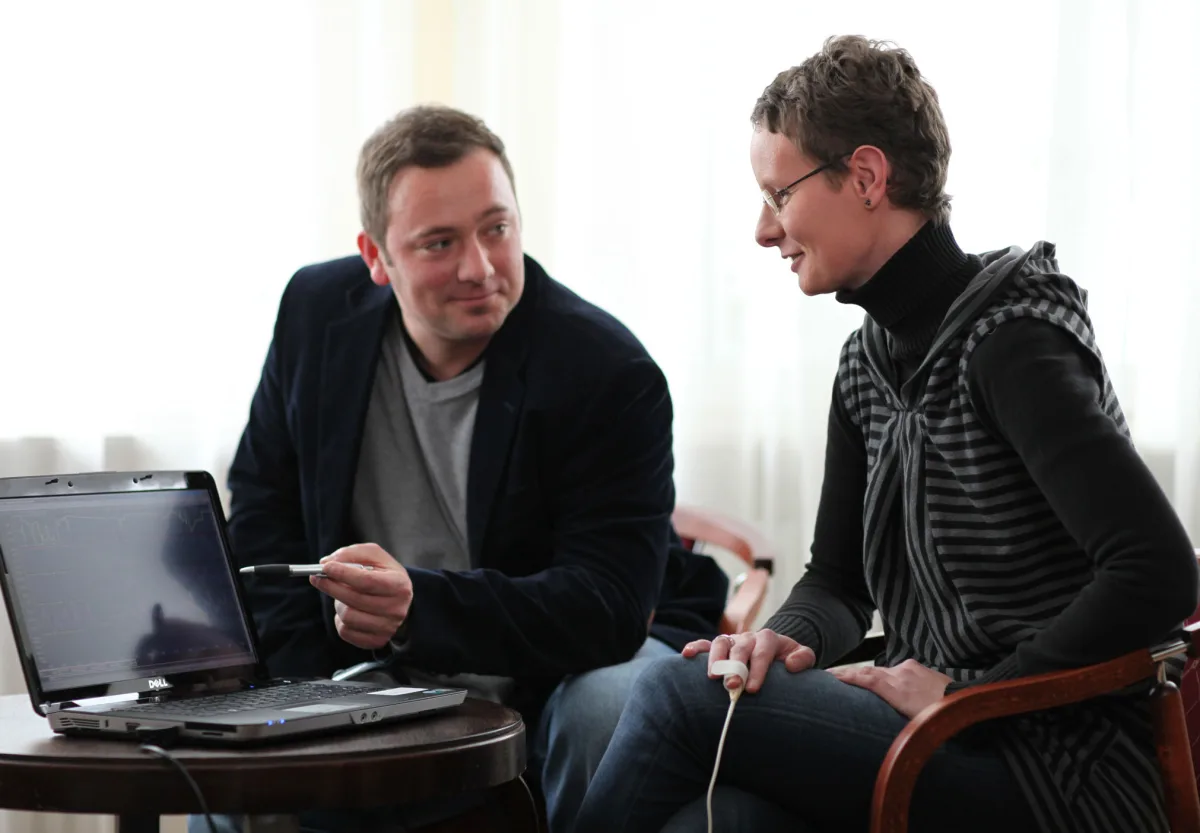
Through the method of biofeedback, a person's own psychophysiological activity level is fed back via auditory or visual signals, thereby made accessible to conscious awareness and ultimately amenable to change. Physiological processes and parameters (e.g. heart rate, respiratory rate, skin temperature, muscle tension and others) are measured, recorded and displayed acoustically or visually via a computer. In turn, the patient learns — supported by appropriate regulatory programmes and with simultaneous display of their own body parameters — to control and positively influence these parameters. Typical applications for biofeedback include pain syndromes, anxiety disorders, psychosomatic/somatoform complaints and addictive disorders.

Relaxation Techniques.

Relaxation techniques are practised methods aimed at reducing physical and mental tension and arousal. The goal is the so-called relaxation response, which operates at a neuronal level and manifests at the physical level (e.g. reduction in muscle tone, normalisation of blood pressure and heart rate) as well as the psychological level (e.g. reduction in inner tension, improved concentration), ultimately leading to enhanced wellbeing, inner equanimity and a reduction in symptoms of the respective condition. At Sanima Klinik, the relaxation techniques employed include Autogenic Training, Progressive Muscle Relaxation according to Jacobsen, Yoga and Feldenkrais.

Sport & Movement.

Sport and physical activity also have demonstrable effects on physical and psychological health. The importance of endurance exercise in the treatment of hypertension or for weight reduction is widely known. Sport and movement also play an important role in the prevention and treatment of depression, anxiety disorders, psychosomatic complaints, somatoform pain syndromes and many other mental health conditions (endorphin release, positive influence on the sense of self-efficacy, improvement of general circulation, enhancement of psychophysical performance capacity, among others). At our clinic, a therapeutically supervised Nordic walking group takes place twice weekly. Equipment for medically coordinated fitness training is also available in the clinic. In addition, the local fitness centre may be used at the clinic's expense.

Somatic Accompanying Treatment.

At Sanima Klinik, in addition to their primary therapist, each patient also has a primary physician who provides general medical care throughout treatment and sees them regularly once a week. The somatic medical history is recorded, a comprehensive internal medicine and neurological admission examination is carried out, necessary prescriptions are issued (blood pressure medication or other), a medication plan is drawn up, any required differential diagnostic investigations (external EEG, vascular ultrasound, 24-hour ECG, specialist consultations in other medical fields) are arranged, and the required laboratory and ECG checks are conducted in-house. In this way, physical comorbidities are treated alongside the primary condition at our clinic and optimisation of any existing medication is ensured where necessary. The psychiatric-psychopharmacological therapy indicated in individual cases is also discussed in detail with the primary physician.

Nursing.

Our nursing team colleagues are the constant point of contact for our patients. Around the clock, our nurses are available to address questions, communicate distress and symptoms, allow patients to reach out in difficult moments, provide attention and conversation, support in structuring daily life or in implementing therapeutic interventions, optimise organisational processes, and coordinate medical and therapeutic appointments both within and outside the clinic as well as therapy planning. In this respect, the nursing team is our central hub for all concerns and an important element of the psychiatric-psychotherapeutic setting. In a narrower medical sense, nursing takes care of measuring blood pressure, pulse, weight, temperature and other parameters, as well as laboratory diagnostics.

Admission

Speak with us — personally, in confidence, without delay.

Phone · Admissions Office
+49 7083 748-0
Admission
Privately insured · Beihilfe · Self-payers

Patients insured with certain statutory health insurance funds (e.g. Techniker Krankenkasse and DAK) may in some cases be able to obtain partial reimbursement from their insurer.